
Everything You Need to Know About Waxing Techniques

Waxing has become a popular method of hair removal thanks to its long-lasting results and ability to leave skin smooth and soft. With various techniques available, it can be overwhelming to choose the right one. In this comprehensive guide, we will dive into the different waxing techniques, their benefits, tips for a successful waxing experience, and everything else you need to know.
Waxing Techniques Overview
Waxing can be done in several ways, depending on your hair type, skin sensitivity, and personal preference. The most common waxing techniques include soft wax, hard wax, strip waxing, and sugar waxing.
Soft Wax: This technique uses a thin layer of warm wax applied to the skin. A cloth or paper strip is then pressed onto the wax and quickly pulled away, removing hair from the root. Soft wax is effective for large areas like the legs and arms.
Hard Wax: As the name suggests, this wax hardens on the skin. It's applied thickly and then removed without strips, making it ideal for sensitive areas like the bikini line and underarms. It adheres only to the hair rather than the skin, reducing pain and irritation. For more information, you can check out hard wax hair removal.
Strip Waxing: This method is similar to soft waxing but typically uses a different formula that requires cloth or paper strips to lift the wax off the skin. It is faster but might not work as well for sensitive areas.
Sugar Waxing: This method employs a mixture of sugar, lemon juice, and water to create a paste. Sugar wax is applied in the opposite direction of hair growth and removed in the same direction, which can help reduce pain.
Benefits of Waxing
Waxing offers numerous advantages over other hair removal techniques, making it a favorite among many. Here are some key benefits:
Long-lasting Results: Unlike shaving, which leaves hair stubbly within a day or two, waxing pulls hair out from the root, resulting in smooth skin for 3 to 6 weeks, depending on individual hair growth cycles.
Finer Regrowth: Over time, regular waxing can lead to finer and sparser hair regrowth, making subsequent sessions easier and less painful.
Exfoliation: Waxing removes dead skin cells along with hair, leading to a smoother appearance and even skin tone.
Less Irritation: Many find that waxing, especially with hard wax, causes less skin irritation compared to shaving or depilatory creams.

Preparing for Your Waxing Session
Preparation is crucial for a successful waxing experience. Here are some tips to get the most out of your waxing session:
Exfoliate: A day or two before waxing, gently exfoliate the area to remove dead skin cells, preventing ingrown hairs and ensuring the wax clings effectively to hair.
Length of Hair: Hair should be at least ¼ inch long for the wax to grip effectively. If it is shorter, the wax may not remove it fully. If it is longer than ½ inch, consider trimming it a bit to ensure comfort.
Avoid Certain Products: Stay away from products like retinoids or alpha hydroxy acids which can make your skin more sensitive. Avoid tanning as well; freshly tanned skin is more likely to irritate during waxing.
Choose the Right Time: Hormonal fluctuations can heighten sensitivity, so schedule your waxing sessions when you're not on your menstrual cycle for a more comfortable experience.
Can I Use Hard Wax on My Private Area?
Yes, hard wax is considered one of the best options for sensitive areas, including the bikini region. Because hard wax adheres only to the hair rather than the skin, it often results in less discomfort. Many salons use hard wax for Brazilian and bikini waxing because it minimizes pain and irritation.
When considering hard wax for your private area, look for specialized hard wax formulas designed for these sensitive spots. Always ensure that you're going to a licensed and experienced technician, who can maximize comfort and efficacy.
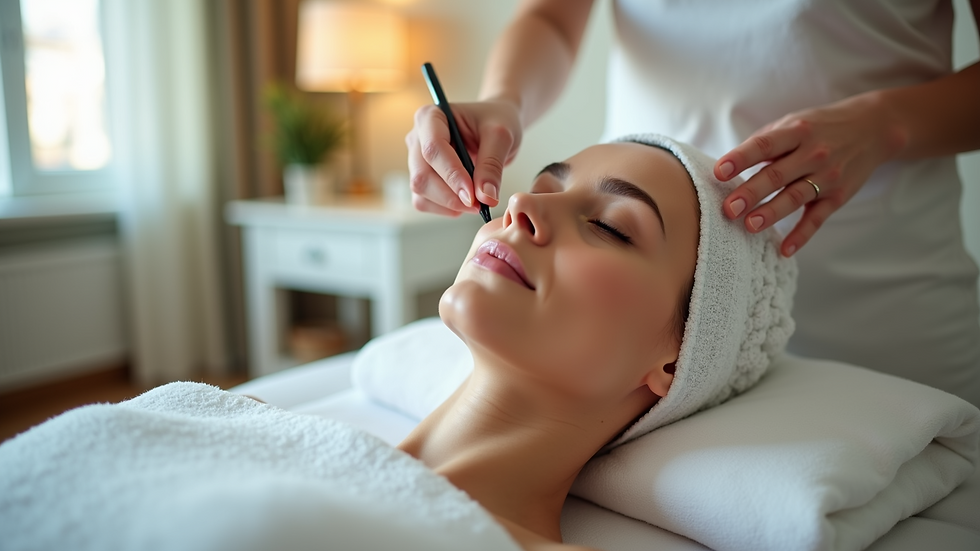
Post-Waxing Care
After waxing, taking proper care of your skin is vital to ensure it remains smooth and irritation-free. Here are some post-waxing care tips:
Avoid Heat: For the first 24 hours post-wax, avoid hot showers, saunas, or any heat-intensive activities that can irritate the skin.
Moisturize: Use a gentle, fragrance-free moisturizer to keep the waxed area hydrated. Avoid products with harsh chemicals or fragrances that can cause irritation.
No Tight Clothing: Wear loose-fitting clothing for a day after waxing to prevent friction and irritation on the sensitive skin.
Stay Away from Sun Exposure: Avoid sun exposure and tanning beds for at least 48 hours post-wax to prevent irritation and discoloration of the skin.
Special Considerations for Sensitive Skin
If you have sensitive skin or any skin conditions, it’s essential to take extra precautions. Before your waxing appointment, consult with a professional esthetician who can recommend the best waxing techniques for your skin type and provide alternatives, if necessary.
Some people with sensitive skin may prefer sugar waxing or hard wax which is often less irritating. Always test a small patch of skin if you are unsure how your skin will react to waxing.
Final Thoughts on Waxing
Waxing can be an excellent option for those looking for smooth and long-lasting hair removal. By understanding the different waxing techniques available, preparing appropriately, and following post-care tips, you can achieve the best results possible.
When in doubt, consult with professionals and don't hesitate to ask questions about the products or techniques used. Happy waxing!


Comments